How Water Bottle Packaging Design Affects Retail Performance Across Different Sales Channels
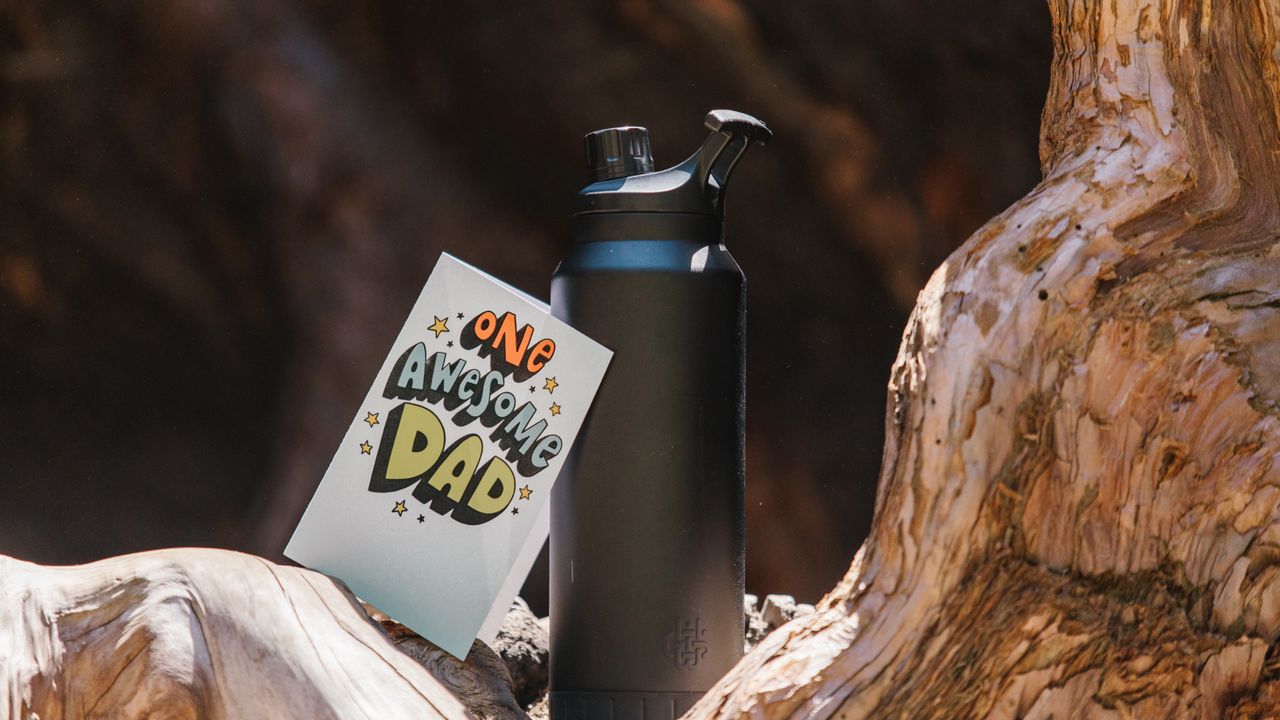
A water bottle that performs well in use can still underperform at retail if the packaging doesn’t work for the channel it’s being sold through. Packaging design decisions — box structure, window placement, insert materials, branding hierarchy — have direct effects on shelf presence, unboxing experience, and return rates. These effects look different depending on whether the product is sold through e-commerce, brick-and-mortar retail, or B2B gifting programs, and what works in one channel can be counterproductive in another.
For buyers sourcing product and for brands developing their packaging strategy, understanding how packaging interacts with each channel avoids expensive reformatting after the initial run.
E-commerce packaging priorities
In direct-to-consumer e-commerce, the packaging has two jobs: protect the product through the shipping process and create an unboxing experience that generates positive first impressions and reduces returns.
Shipping protection is a functional requirement. A bottle that arrives dented because the packaging allowed the product to move inside the box will generate returns and negative reviews regardless of how good the product is. The minimum requirement is that the bottle be fully immobilized within the outer shipping box — no movement in any direction under the drops, compression, and rough handling that characterize parcel shipping. This typically means a close-fitting inner box or insert, with the outer shipping box sized to allow standard void fill without excess.
The unboxing experience matters because a substantial portion of e-commerce buyers document and share unboxing experiences, and the packaging is part of the product story. A rigid box with a magnetic closure, a branded tissue wrap, and a thoughtfully placed thank-you card creates a different first impression than a plain white box with a plastic bag. The difference in perceived value is real and affects both the likelihood of positive reviews and the customer’s initial assessment of whether the product is worth the price they paid.
For DTC e-commerce, the packaging cost is absorbed into the product margin and justified by the effect on return rates and repeat purchase. A higher-quality unboxing experience that reduces returns by even a few percentage points typically pays for itself in reduced return processing costs alone.
Retail shelf packaging: the two-second test
In brick-and-mortar retail, packaging has a different primary job: communicate enough information in two seconds to prompt a shopper to pick the bottle up. Shoppers in a housewares aisle are scanning, not reading — the packaging needs to communicate the product’s key attributes visually before the shopper has decided to engage.
The front panel hierarchy matters. Brand name, key benefit (24-hour cold retention, leak-proof lid, BPA-free), and a visual of the actual product should be immediately legible at two to three feet. Text that’s readable only when the shopper holds the box is secondary communication — useful, but not what drives the initial pickup decision.
Window packaging — boxes with a die-cut window that shows the actual product — consistently outperforms fully enclosed boxes in retail settings for commodity product categories like water bottles, because it allows shoppers to assess the finish quality, color accuracy, and construction before purchase. Returns driven by color or finish expectations that the packaging didn’t accurately communicate are reduced when the shopper can see the actual product.
Hang-tab compatibility matters for shelf placement flexibility. A box that can be hung on a peg hook as well as stand on a shelf gives retailers more placement options and doesn’t require a dedicated shelf slot. For smaller retail accounts without dedicated planogram positions for water bottles, peg compatibility can determine whether the product gets shelf space at all.
B2B gifting and corporate program packaging
Corporate buyers purchasing water bottles for employee gifting, conference swag, or branded merchandise programs evaluate packaging differently than retail or e-commerce buyers. The key requirements are gift-appropriateness, branding customization feasibility, and practical logistics for bulk distribution.
Gift-appropriateness means the packaging looks like a gift rather than a retail product. A simple, clean gift box in a neutral color with minimal branding — or branding that’s subordinate to the client’s own logo — reads as a gift. A retail-style blister pack or a packaging design that leads with the manufacturer’s branding doesn’t, and corporate buyers typically request repackaging when the original retail packaging doesn’t meet this requirement.
Custom branding on packaging is a standard expectation for large B2B orders. The minimum order quantity for custom-printed packaging varies by manufacturer, but a water bottle supplier with flexible packaging infrastructure can typically offer custom-printed boxes at lower MOQs than those who run packaging on high-volume dedicated lines. For corporate buyers, the ability to have their logo on the box — not just the bottle — is often a deciding factor in supplier selection.
Bulk distribution packaging affects the total cost of the gifting program. If bottles are shipped individually boxed to end recipients, the outer shipping packaging needs to protect the gift box through final-mile delivery. If bottles are distributed at an in-person event, they may need to be in a master pack configuration that allows easy counting and display. Discussing distribution logistics before finalizing packaging design avoids format mismatches that require repackaging at the buyer’s location.
How packaging decisions affect the total cost structure
Packaging cost is usually a small percentage of product cost but has an outsized effect on the total cost structure for certain scenarios. Gift boxes, rigid lid boxes, and custom-printed packaging cost more per unit than standard folding cartons, but the incremental cost is often justified by channel requirements.
The scenario where packaging cost creates the most friction is when the initial packaging decision was made for one channel and the product is later expanded to another. A bottle packaged for DTC e-commerce in a minimal mailer-style box needs complete repackaging for retail shelf placement. A bottle in a retail blister pack needs repackaging for corporate gifting. Building some packaging flexibility into the initial design — a shelf-ready box that also ships safely as a parcel, or a gift box that can accept a custom sleeve — reduces reformatting cost when channel strategy evolves.
For buyers sourcing product for the first time, discussing channel strategy with the supplier before packaging design is finalized costs nothing and can avoid a packaging redo that costs both time and money.