What are the Low-Voltage Electrical Manufacturing Trends
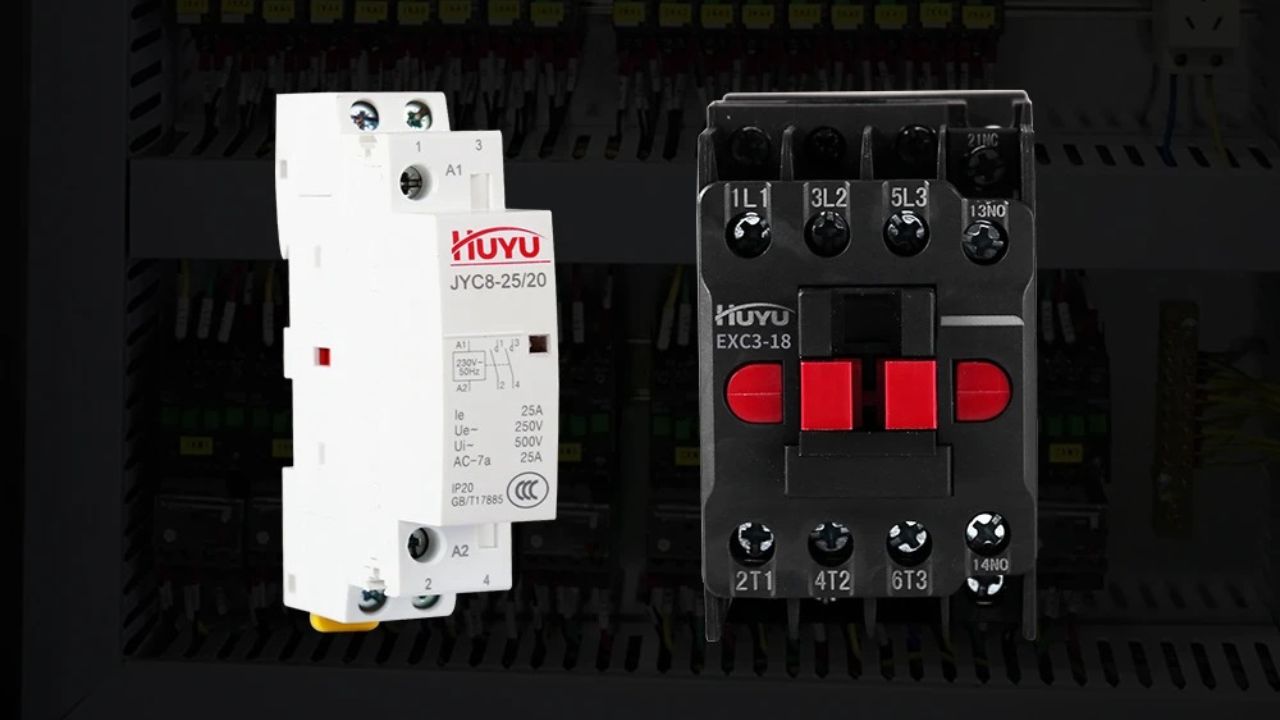
The modern infrastructure includes a significant role of low-voltage electrical production that is used in the energy industry, the building industry, the transport and telecommunication industry, and the production industry. Electrical systems of lower voltage are evolving on a mega scale, as the demands to have safer, smarter, and more energy-efficient electrical systems grow across the globe. Technological innovation, an electric supplier, regulatory requirements, and market dynamics are defining new trends that are arising and redefining the design, production, and applications of low-voltage electrical products.
Customer Requirement of Smart Electrical Products
The rapid adoption of smart electrical products is one of the brightest tendencies in low-voltage electrical production. The conventional circuit breakers and control equipment are being substituted or upgraded with smart applications like real-time monitoring, remote control, and data communication services. The use of Smart MCBs, MCCBs, and intelligent power distribution systems allows the user to monitor and manage energy consumption, identify faults early in their occurrence, and conduct predictive maintenance.
The digital technologies already being introduced to low-volt products by manufacturers include sensors, communication modules, and Internet of Things platforms. These innovations assist the industrial and commercial users to shorten the downtime, boost the efficiency, and enhance the electrical safety. With the increasing popularity of smart factories and intelligent buildings, the number of connected low-voltage devices is also on the increase.
Concentrate on Energy Conservation and Sustainability
The manufacture of low-voltage electrical products has made energy efficiency a major concern because of increased energy prices and sustainability in the world. Regulatory authorities and governments are now imposing more stringent standards of energy efficiency, and manufacturers are working on making products that reduce the amount of energy lost and products with better performance.
The manufacture of low-voltage electric devices is focused on the use of new advanced materials, better design solutions, and the optimization of manufacturing processes in order to use less energy. Energy-saving motor control solutions, high-efficiency contactors, and low-loss transformers are turning into standard products. Meanwhile, greener production processes, including less waste generation, recycling, and lower carbon concentration, are becoming increasingly significant throughout the industry.
Greater Individualization and Component-like Design
The other trend is the increasing need for tailor-made and building block low-voltage electrical systems. Projects in the industry usually possess specialized electrical needs depending on usage, setting, and loading circumstances. This has seen manufacturers abandon one-size-fits-all products and provide custom solutions by way of OEM and ODM business.
Components (e.g., circuit breakers, contactors, distribution boards) may be configured, expanded, or changed in a modular manner. This has made it easier to install, maintain, and upgrade in the future. Industrial manufacturing, data center, and smart infrastructure projects in particular are especially fond of modular low-voltage systems in which reliability and scalability are paramount.
Advanced Technology Automation
Another type of digital manufacturing technology being embraced by manufacturers is the use of data-driven management of production and intelligent test laboratories. The technologies allow monitoring the quality of the produced products and the functioning of production in real-time, which assists manufacturers in meeting the high standards of work set internationally and decreasing the rate of defects. With ever-increasing competition, high manufacturing capability is taking center stage as a distinguishing variable in the low-voltage electrical business.
Adherence to International Standards and Certifications
International certifications and compliance have become a critical issue in low-voltage electrical production due to globalization. Standards required of commodities include IEC, CE, UL, TUV, CB, and RoHS in order to be accommodated in various markets. To ascertain that their products comply with the global requirement in terms of safety and performance, manufacturers are spending a lot of money on testing facilities, certification processes, and compliance management.
The emphasis on standardization is not only beneficial to the reliability of the product but also to customer confidence and competitiveness in the market. With high certification portfolios, manufacturers are in a better position to offer their services to international customers and even be involved in major infrastructure projects.
Growth of New Energy and EV Usages
EV charging stations, solar power systems, and energy storage solutions use low-voltage components, including DC circuit breakers, surge protection devices, and intelligent transfer switches that are specialized. The swift increase in renewable energy and electric car infrastructure is creating a need for new low-voltage electrical products.
Manufacturers of low-voltage electrical products are coming up with products more tailored to DC operation, high-frequency switching, and changing conditions of power. The trend is likely to increase as governments and industries keep investing in clean energy and electrification projects.
Conclusion
The electrical manufacturing sector is a low-voltage industry that transforms at a high rate in accordance with technological innovations, environmental sustainability, and customer expectations. The industry is changing with trends like smart electrical products, energy-efficient designs, modular solutions, automation, global compliance, and new energy applications. The manufacturers who use innovation, invest in high production capabilities, and provide flexible and high-quality solutions are in a good position to compete in the ever-competitive global market. With the increase in complexity and interconnection of industrial and infrastructure systems, low-voltage electrical manufacturing remains vital in the future powering of the system.